
Blog
The new climate in Wales: navigating Welsh politics and grid upgrades
Iolo Ellis shares his views on rural Wales, Welsh politics and major infrastructure projects
June 2026
Insights
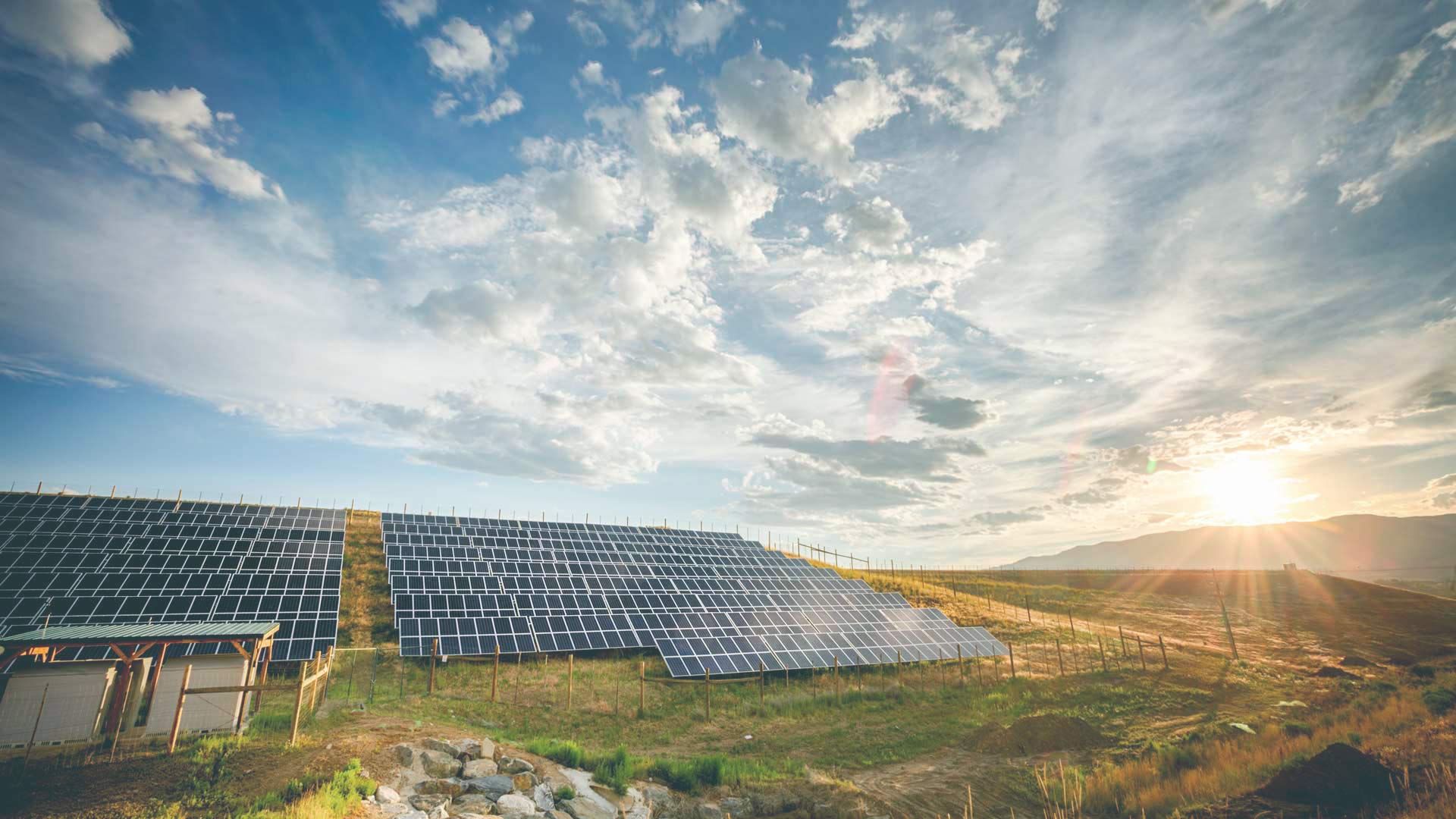

This question came to mind as we began advising on a proposed solar PV scheme for a leisure business in Parc Cenedlaethol Eryri/ Snowdonia National Park.
The site consumes around 380,000kWh of electricity every year, with demand increasing significantly during the holiday season. Rather than generating electricity for sale, the aim is to produce clean power where it is needed, reduce exposure to rising energy costs and improve long-term business resilience.
Yet, because of its location, the project requires full planning permission, an Environmental Impact Assessment (EIA) screening opinion and a range of supporting environmental and landscape studies before it can progress.
That raises an interesting question.
Before answering, it is important to say that both types of solar development are essential.
Large export-led solar farms play a critical role in decarbonising the UK’s electricity network and meeting national renewable energy targets. Many of our clients are developing exactly these projects.
However, as electricity networks become increasingly constrained, many businesses are now asking a different question:
Projects like this reduce imported electricity, improve resilience and can ease pressure on already constrained grid infrastructure. They represent another important part of the UK’s energy transition.
Should planning policy begin to recognise that distinction?
Not by lowering environmental standards – but by acknowledging that the purpose of these developments is fundamentally different.
The current proposal is for a 322kWp ground-mounted solar array with battery storage, capable of generating approximately 276,000kWh each year. The supplier estimates that around 70% of the electricity generated would be used directly on site, significantly reducing dependence on imported electricity.
Grid export limits, battery sizing, planning constraints, ecology, landscape impact and long-term operational performance all need careful scrutiny before investment decisions are made.
That is exactly why independent advice matters.
As Britain continues to invest in renewable energy, should planning policy place greater emphasis on schemes that demonstrably meet existing local demand, particularly where grid capacity is already limited?
We think so, but in any event, it’s a discussion worth having.
At Baileys & Partners, we provide independent advice throughout the development process, including:
Independent advice at an early stage often identifies opportunities, risks and design improvements long before significant investment is committed.
If you’re considering a renewable energy project – whether for local consumption, grid export or a combination of both – we’d be pleased to discuss how we can help.
Insights

